Discover More





oscar willard
About oscar willard
Why General Care Often Falls Short: The Unique Needs of Adult Scoliosis
Adult scoliosis is far more than a “bent spine” that can be managed with the same protocols used for adolescent idiopathic curves. In adulthood, the condition is frequently compounded by age‑related degenerative changes, chronic pain, reduced bone density, and a host of comorbidities such as arthritis, cardiovascular disease, and obesity. These factors create a clinical picture that is highly individual and demands a nuanced, multidisciplinary approach—something that generic “one‑size‑fits‑all” care pathways rarely provide.
First, the etiology of adult scoliosis often differs from that seen in teenagers. While many adolescents develop curves during growth, adults usually present with de novo degenerative scoliosis, where asymmetric disc collapse, facet joint arthritis, and vertebral body remodeling drive the curvature. Consequently, treatment must address not only the angular deformity but also the underlying degenerative pathology, which may require targeted injections, osteopenia management, or even spinal fusion that respects altered biomechanics.
Second, pain and functional limitation in adults are frequently more severe and multidimensional. Chronic low‑back and radicular pain can be exacerbated by poor posture, muscle fatigue, and nerve compression, leading to reduced mobility, impaired balance, and heightened fall risk. Standard physiotherapy regimens designed for youthful flexibility often fail to incorporate the strength‑building, proprioceptive training, and pain‑modulation strategies essential for older patients.
Third, psychosocial considerations play a pivotal role. Adults may grapple with loss of independence, work‑related disability, and anxiety about surgical outcomes. A care model that ignores these emotional dimensions can leave patients disengaged and non‑adherent to treatment plans. Integrated support—psychological counseling, vocational rehabilitation, and patient education—has been shown to improve satisfaction and long‑term outcomes.
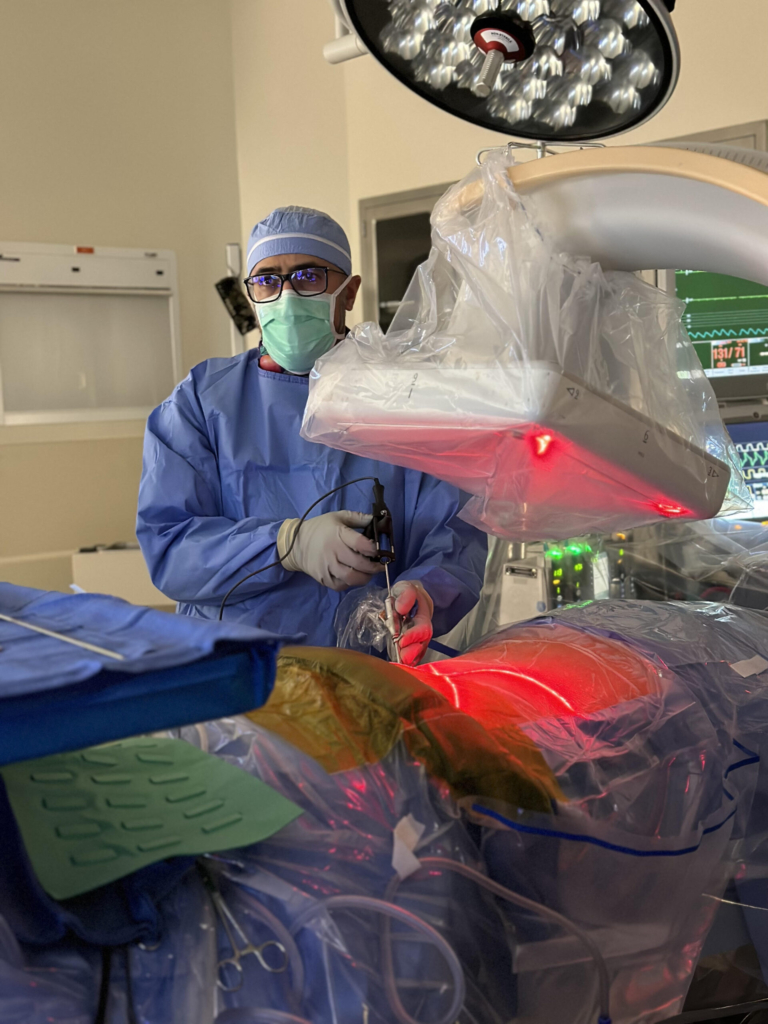
Finally, surgical decision‑making in adult scoliosis is fraught with higher complication rates, longer recovery times, and the need for meticulous pre‑operative planning (e.g., bone quality assessment, cardiovascular clearance). Surgeons must balance the goals of deformity correction, pain relief, and preservation of function, often opting for staged procedures or minimally invasive techniques tailored to the patient’s unique anatomy and health status.
In sum, adult scoliosis confronts clinicians with a constellation of biomechanical, biological, and psychosocial challenges that generic care pathways cannot adequately address. Effective management hinges on an individualized, interdisciplinary strategy that respects the distinct needs of each adult patient—recognizing that a curved spine in a 65‑year‑old demands far more than the standard brace and exercise regimen prescribed to a teenager. Visit – Scoliosis Clinic for Adults in Florida
No listing found.